
Outline:
- Understanding Porcelain Countertops vs Granite Countertops
- Porcelain vs Granite: A Comparative Analysis
- Porcelain Countertops vs Granite Vancouver: What to Consider
- Porcelain Countertops
- Granite Countertops
- Making the Right Choice for Vancouver Kitchens
- Conclusion: Why FloForm is Your Go-To
In this comprehensive analysis, we delve into the pros and cons of porcelain countertops vs granite, focusing on their performance in terms of impact, heat, and UV resistance, especially in the context of Vancouver kitchens. Kitchens are at the heart of most homes, and the materials used here can significantly impact their functionality and aesthetic appeal. In the bustling city of Vancouver, where the climate and lifestyle influence home design, choosing the right countertop material is essential. Two popular choices often debated are porcelain and granite.
porcelain countertops vs granite Vancouver
Understanding Porcelain Countertops vs Granite Countertops
What Are Porcelain Countertops?
Porcelain countertop installations are crafted from a specific type of ceramic material made from dense clay fired at high temperatures. This process results in a non-porous surface that is incredibly durable and resistant to staining. The appeal of porcelain lies in its sleek appearance and versatility, making it a contemporary choice for modern kitchens.
What Are Granite Countertops?
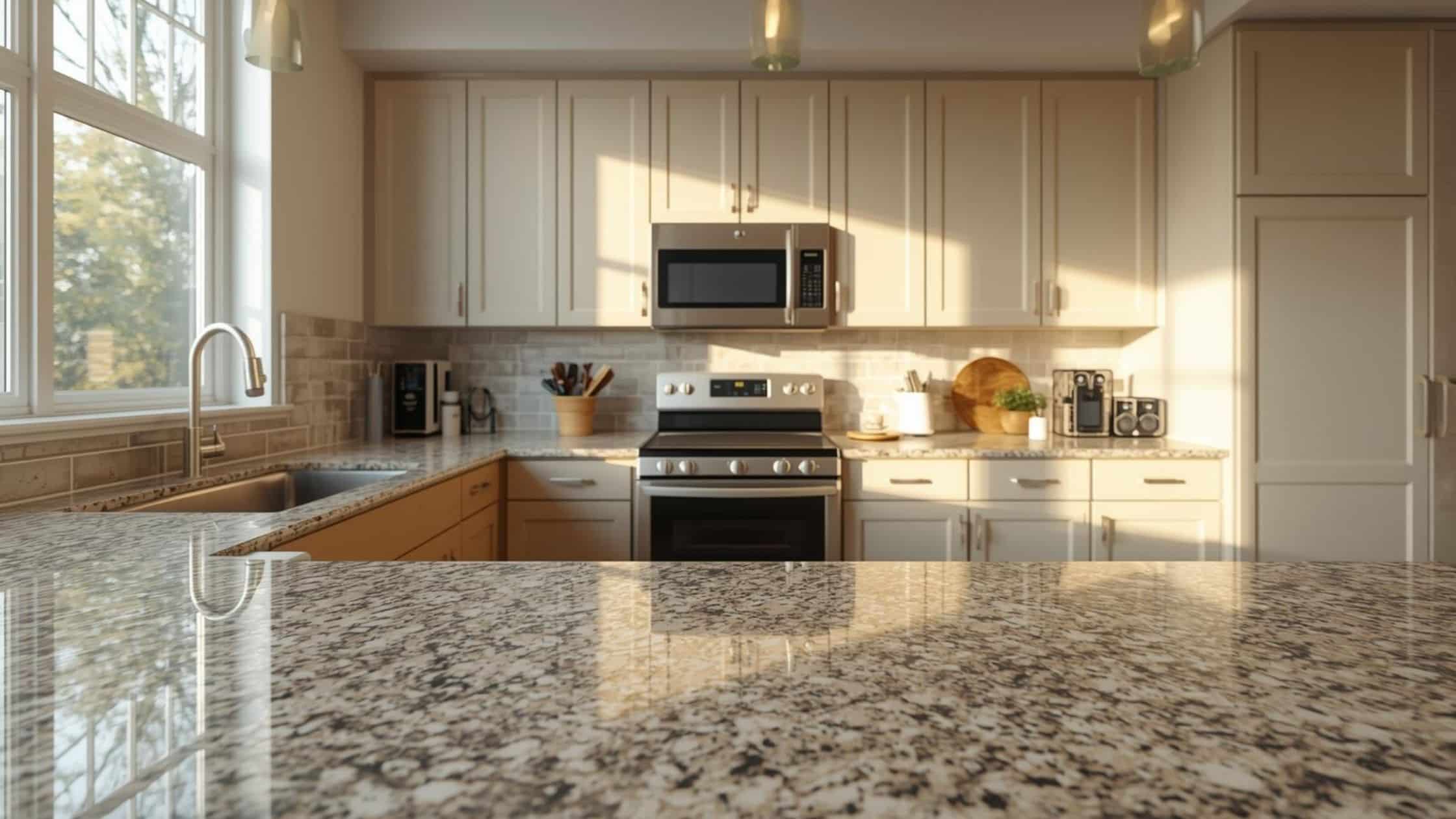
Granite countertops, on the other hand, are made from natural stone, sourced from quarries worldwide. Each slab is unique, characterized by varying patterns and colors resulting from mineral compositions over millions of years. Granite is known for its durability and natural beauty, giving kitchens a classic and timeless appeal.
Porcelain vs Granite: A Comparative Analysis
Impact Resistance
Porcelain countertops generally offer excellent impact resistance. They are crafted to be dense and robust, which helps them withstand the everyday knocks and bumps of a busy kitchen. In the bustling environment of a kitchen, where pots, pans, and various other items are regularly handled, impact resistance is a crucial factor.
Granite countertops are also renowned for their strength. They are highly resilient and can tolerate significant impact without chipping or cracking. However, granite may be slightly more susceptible to fractures at its edges compared to porcelain.
Heat Resistance
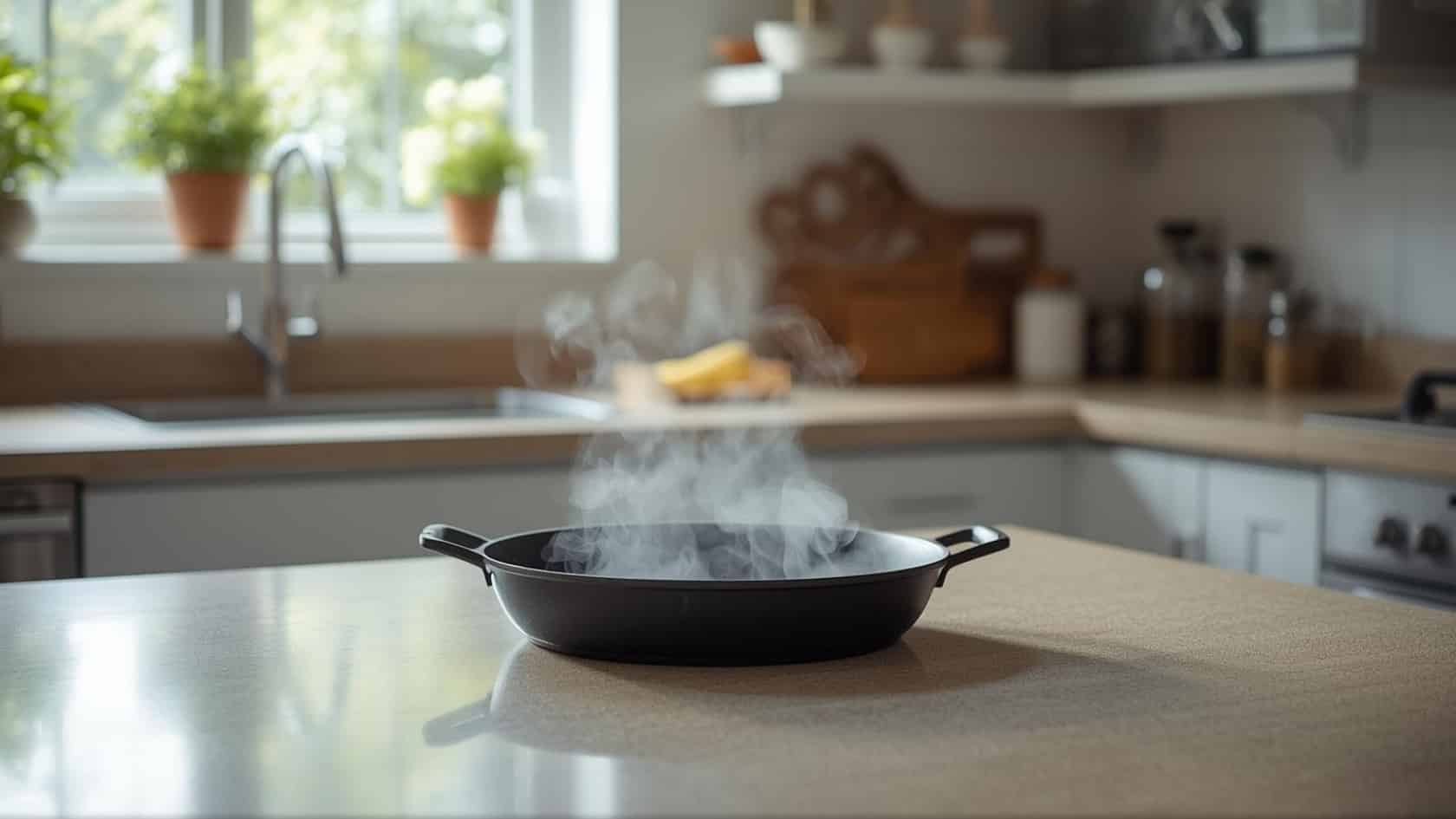
Kitchens are frequently hot environments with regular exposure to high temperatures. Porcelain countertops have high heat resistance due to their manufacturing process, which involves extremely high temperatures. They can handle direct exposure to hot pots and pans without the risk of burning, scorching, or discoloring.
Granite, too, fares excellently in terms of heat resistance. As a natural stone, it can withstand heat effectively. However, it’s advisable to use trivets or heat pads to avoid any potential damage, especially if the surface has been sealed, as the sealant may react differently to heat.
UV Resistance
For homes with plenty of natural light or kitchen designs that integrate indoor and outdoor living spaces, UV resistance is a factor worth considering. Porcelain stands out for its UV resistance. It does not fade or discolor when exposed to sunlight for prolonged periods, making it an apt choice for Vancouver kitchens that take advantage of natural light and outdoor views.
Granite, while durable, is more prone to UV-induced color changes over time. Continuous exposure to direct sunlight may cause some granite stones to fade, which is something to keep in mind if your kitchen receives a lot of sunlight.
porcelain countertops vs granite Vancouver
Porcelain Countertops vs Granite Vancouver: What to Consider
Climate Considerations
Vancouver’s climate is characterized by moderate temperatures, but kitchens can experience fluctuating conditions, such as increased humidity. Porcelain’s non-porous nature makes it impervious to moisture, thus preventing mold growth and stains from penetrating the surface.
Granite, on the other hand, requires sealing to maintain its water resistance. While this is effective, it necessitates periodic maintenance to ensure lasting protection.
Aesthetics and Design Preferences
Choosing between porcelain countertops vs granite also boils down to personal taste. Porcelain offers a contemporary look, with the ability to mimic various textures and colors, including marble and wood.
Granite provides a unique, natural look with each slab possessing its distinct pattern. It can add a touch of luxury and elegance to any kitchen space.
Porcelain Countertops
Advantages of Porcelain
- Highly durable and impact-resistant
- Excellent heat and UV resistance
- Vast array of colors and textures available
- Low maintenance due to its non-porous surface
Granite Countertops
Advantages of Granite
- Natural, unique patterns add aesthetic value
- Excellent heat resistance
- High impact resistance, especially in center areas of slabs
Conclusion: Why FloForm is Your Go-To
When selecting countertops for your kitchen, whether you are leaning towards porcelain countertops vs granite Vancouver, guidance from a trusted expert can make all the difference. FloForm excels in providing knowledgeable advice, quality materials, and expert installation. With an extensive range of both porcelain and granite countertops, FloForm ensures you have the best options tailored to Vancouver’s unique demands. Visit floform.com for your countertop needs and experience unparalleled service and quality.